Pig Philosophy

Is Utilitarianism a “Pig Philosophy”:
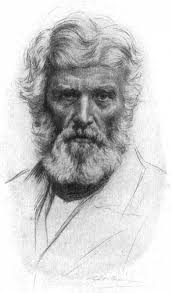
The definition of a Pig Philosophy is  “Human being as a mere creature of appetite instead of a creature of God endowed with a soul, as having no nobler idea of well-being than the gratification of desire”(Thomas Carlyle). Carlyle was the one who called Utilitarianism a Pig Philosophy because people weren’t getting treated equally especially the punishments weren’t fair such as comparing to stealing a pack of gum to robbing a bank and depending on to one’s interests, one of these two would be account it for. In a way, Utilitarianism can be described as Pig Philosophy, however there are very few others that can develop great ideas that would benefit the world.

Greatness of Happiness
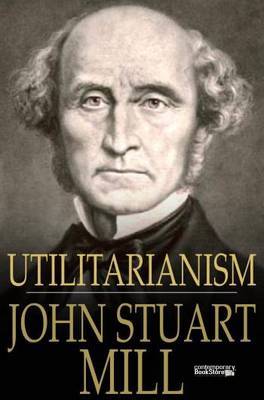
Mill believes that, “By happiness is intended pleasure, and the absence of pain; by unhappiness, pain, and the privation of pleasure.” I can agree with his reasoning of supporting the Greatest Happiness Principle because happiness is the best feeling of the world and not holding any actions that can pursuit happiness, it’s quite the opposite. The joy of happiness it’s suppose to be painless, thoughtful of what you did good, no stress, no worries and feeling that you have your very own island that it’s tropical with exotic plants growing with bright colors like the sky itself. The Greatest Happiness Principle suggests, “..the ultimate end, with reference to and for the sake of which all other things are desirable (whether we are considering our own good or that of other people).” This is unbelievable because there’s people who would only benefit for themselves while there are caring people out there who puts other first than themselves and sometimes, it can workout both ways, however it rarely only happens.

Pleasures

Mill believes that people would choose lower pleasures than high pleasures, however it’s true because not many people would choose quality over quantity. For instance, the quality as be given immorality to live forever and quantity as living into a normal life. Some people would choose quantity or quality for good reasoning. Being immortal is great, unfortunately you won’t grow up with your love ones and would be an endless cycle of going back and forth feeling an endless amount of pain which is why I would choose quantity than quality for this claim.

W/C: 385

A Defense of Ethical Relativism

Prompt 2:

“f Benedict’s defense of ethical relativism is correct, then the correct way to resolve a personal dilemma might be to take a survey or poll to see what the majority in your society think is right. If the majority favor capital punishment and oppose abortion, for example, then capital punishment is right and abortion is wrong. Can you defend Benedict against this consequence?”

Benedict’s Defense:

Benedict’s defense of ethical relativism is on to something, however I could defend it because everyone has their own rights and opinions to have, of course the people have to decide on what’s best by giving them all the info they need in order to judge. I believe if society were to make a decision they would all agree without hesitation, additionally there should be an age requirement just like the voting elections. They can stick with the 18 years or older requirement to see how it goes and if it doesn’t do well, as a result would have to move it to 21 of age or older.  There should also, be checking everyone’s background before taking the survey to see if they’re allowed to be given their opinions only if they don’t have criminal records. “What is and is not behaviorally normal is culturally determined” (Benedict 49). This means that there are rights and wrongs that only society believes unless someone in their society disagrees which would be considered as a disgrace towards their own society. Benedict’s claim is true which can make society choose the wrong decisions if one person makes a decision based on their beliefs everyone in their society has to follow and won’t listen to anyone else.

Benedict’s Arguments:

One of Benedict’s arguments is “If what is accepted by society, based on shared beliefs, as normal behavior varies from culture to culture, then morality would vary from culture to culture.” Society can be twisted in its own way by allowing only certain things to be acceptable for them and are afraid of changes that can influence them on what they believe or what they find something wrong. For example, people who believe in certain things in this world and find someone who doesn’t believe the same as they do would dislike them just for that, which is incredulous. Benedict’s top other arguments are “Each culture, based on shared beliefs, decides what is considered acceptable and normal behavior within their society.” This goes for not just one society, but different ones as well and have strictly permitted rules of requirements to judge others to see if they’re considered normal to them, however if not society would see them as an abomination. For instance, abortion is the main thing that people are against and are not supportive, but understand the situation, however it’s still isn’t right. For some time, society can take things too far such as religious people are considering what they see different is evil and would try to ban them from churches or do something berzerk to try to get the evil out of them. I never saw it in person, additionally I heard it from other’s perspective on what happened to them or witnessed a teenager who was pregnant at the time and the church didn’t accept her because she sinned for not having a baby until marriage.

About Ruth Benedict:

Ruth Benedict was born on June 5, 1887, in New York and later died on September 17, 1948, in New York City.  Benedict went to Colombia College to further her career as an anthropologist, moreover transferred to Vassar College and graduated there. From the 1920s to 1930s, Benedict used to write poetry and wrote her first book called “Tales of the Cochiti Indians in 1931, furthermore it was about her research in the religious and folktale of Native Americans. Benedict wrote even more books about her journey where she traveled and found something interesting there just like her third book called “The Chrysanthemum and the Sword in 1946, of her experiences in Japan. Afterward, Benedict went back to Colombia in 1948 where she became a full-time professor at Colombia College.

W/C : 674